
Pinellas Park Neighbor Record Sources
Official sources answer narrow questions about a Pinellas Park block. The parcel viewer maps lot boundaries and current owners. The property roll separates the parcel's site address from the owner's mailing address. A voter-data order can show public registration fields by residence address, while city permits show work tied to a place. Community Engagement and city board pages identify civic contacts, not private household rosters.
| Official source | Block-level evidence | How to reach it |
|---|---|---|
| PCPA and city parcel GIS | Adjacent parcels, site and mailing fields, owners, legal, deed links | Free map and parcel clicks |
| Supervisor voter file | Public registered voters grouped by residence address | Free data order with protected fields excluded |
| City permit records | Projects, inspections, and named applicants at nearby addresses | Portal or targeted records request |
| Community Engagement | Referrals to civic, HOA, and nonprofit groups | City contact channel |
| City Boards | Public appointees and civic roles | Published city rosters |
An owner is not automatically an occupant. Matching site and mailing addresses and a homestead claim can support owner occupancy, but neither fact lists spouses, children, roommates, renters, or guests. Commercial neighbor tools often blend old and purchased data. They cannot establish who currently shares a home, and they should not replace an official record.
Define a Pinellas Park Block
Decide the study area before collecting names. One sound method includes the subject parcel, every parcel touching it, and parcels directly across the street until the nearest cross streets. A narrower method uses only shared boundaries. Corner lots, alleys, flag parcels, and wide roads make the word neighbor ambiguous, so record the chosen rule.
The Property Appraiser's Measure tool can help estimate frontage or distance, but it does not create an official radius or replace a survey. No dedicated buffer tool was confirmed. Use zoom, pan, and polygon adjacency. For every clicked parcel, copy its parcel ID first. That check prevents the prior popup's owner from being carried into the next row.
Note: My Location and distance controls are conveniences; use the exact situs parcel and city boundary for jurisdiction decisions.
Map Pinellas Park Neighbors by Parcel
The Pinellas County Property Appraiser Parcel Viewer accepts owner, address, or parcel ID. Its aerial, filled-parcel, non-filled-parcel, and countywide-plan styles help distinguish buildings and boundaries. Clicking a polygon changes the record shown in the detail pane. Sales-year highlighting can reveal transactions, though a sale is not resident history.
- Search the subject address and verify the red selected boundary and parcel ID.
- Pan to both cross streets, then click every parcel included by the chosen block rule.
- Record owner, site address, mailing address, legal description, and deed reference in the same order.
- Compare site and mailing addresses and note exemptions, without treating either as a household list.
- Open a deed only when party roles or a recent transfer matter to the question.
Recent deeds may appear first in the Clerk index and later on the appraisal roll. If a transaction looks stale, check the Clerk official-records search. For a full named-road chain rather than the immediate block, use the Pinellas Park street directory.
Separate Pinellas Park Address Fields
City GIS explicitly separates SITE_ADDRESS and SITE_CITYZIP from the owner's mailing lines, city, state, and ZIP. A situs address locates the parcel. A mailing address is where the tax notice goes. It may be an office, a post office box, or another home. Treating the mailing field as proof of residence creates false neighbors.
The roll also exposes the parcel or STRAP number, subdivision, lot, block, legal description, official-record book and page, acreage, tax district, and other land facts. Those fields help distinguish unit parcels from condominium common areas or a single-owner apartment parcel. Search rows do not equal households.
Key distinction. Homestead is evidence of the owner's tax claim. It does not identify every person who occupies the Pinellas Park property.
Public Voter Presence by Block
The Pinellas County Supervisor of Elections offers public voter information with history as a data order. Public fields may include name, birth date, voter ID, registration date and status, residence and mailing address, municipality, precinct, districts, party, available public phone or email, and participation history. Voting history never reveals ballot choices.
Order the free file through SOEIT@VotePinellas.gov or 727-464-4958. Delivery uses ShareFile. Updates occur each weekday morning during the final sixty days before an election through Election Day, and otherwise by Friday afternoon. Filter the residence address field, not the mailing field, and preserve the file date.
Florida law excludes Social Security and driver-license identifiers, voter signatures, registration-place data, and all preregistration information for sixteen- and seventeen-year-olds. Protected addresses may also be absent. A public file omits nonvoters and cannot prove that every listed person still occupies the address.
Pinellas Park Block Permit Clues
The city permit portal supports searches by permit number, address, parcel number, permit type, and status. Results can date construction, inspections, and major changes along the block. The named applicant or contractor shows a time-specific link to work, not residence.
When a public result lacks a name or full inspection history, request the existing file from Building Development or the City Clerk. Target the address, permit type, and date range. Code complaints may redact reporter information, so ask for the case activity rather than a private complainant's identity.
Community Contacts for Pinellas Park Neighbors
No authoritative citywide HOA or neighborhood-member directory was found. Pinellas Park Community Engagement works with neighborhoods, civic groups, HOAs, and nonprofits through pop-ups, town halls, and focus groups, but it is a referral point rather than a roster. City board pages publish civic appointees. The Chamber lists public-facing organizations and businesses, not members of local households.
Community Engagement
City neighborhood and civic referrals for public groups and events.
City Boards
Published board rosters supply official civic context.
Local Organizations
The Chamber directory searches by keyword, alphabet, and industry.
The Chamber page illustrates the public organization layer around Pinellas Park neighbors.
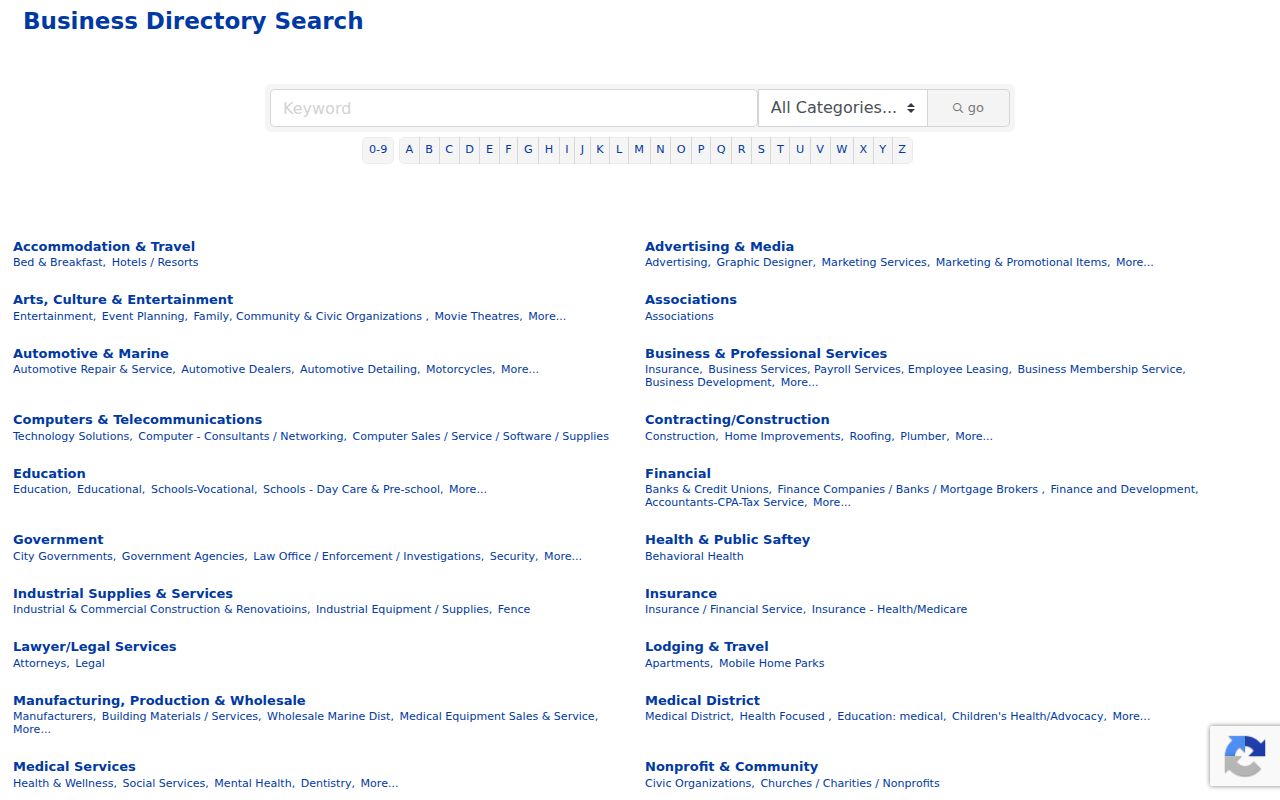
Its entries can show a public address, phone number, description, and website. They should never be read as private membership or household records.
Official and Commercial Neighbor Results
Official custodians define each field and update their own record series. Commercial tools may merge purchased lists, old directories, and public records with unclear dates. A polished result can still connect the wrong same-name person or an old mailing address to the block.
| Source type | Strength | Limit |
|---|---|---|
| Official parcel and deed records | Parcel identity, owner, legal, recorded transfers | Do not enumerate occupants |
| Official voter data | Dated public registration fields | Omits nonvoters and protected people |
| Commercial compilation | May suggest spelling or an old association | Source dates and matches may be unclear |
Use a commercial hint only to form a new search. Confirm it with the office that keeps the actual record, and never infer a private household from a compiled result.
Privacy Limits for Pinellas Park Neighbors
Florida's open-record system contains many safety exemptions. A qualifying parcel owner's name and deed reference may be hidden even while the parcel address, legal description, sales, land, and building facts remain public. The Attorney General's Address Confidentiality Program gives qualifying victims a substitute address and mail forwarding. Do not use another source to defeat that protection.
Utility accounts, delivery data, motor-vehicle addresses, voter signatures, protected identifiers, and preregistration records are not a public neighbor directory. Parcel maps also omit renters, children, roommates, guests, and many adults. A missing name means only that the chosen source did not return one.
Use dates as part of every conclusion. The appraisal roll is current to its own processing cycle, a deed has separate execution and recording dates, a voter file reflects the date it was produced, and a permit connects a person or firm to a project at a stated time. Combining undated screenshots can make a former link look current. Save the parcel number, source name, access date, and relevant record date with each note.
Conflicting evidence calls for a narrower claim. If a mailing address matches but voter data does not, the safe conclusion is that the owner receives tax mail there, not that no one occupies the home. If a voter entry appears while the deed names someone else, it may reflect a renter, relative, prior owner, or lag between systems. Public records rarely justify a complete household list. Respectful contact through a public civic group may answer a community question better than more searching.
Florida stalking and cyberstalking law applies to conduct even when a source is public. Repeated unwanted contact, threats, impersonation, or attempts to expose a confidential address are not made lawful by finding a name in a record. When the concern is an immediate threat, use emergency services. For suspected fraud or harassment, preserve the original message or document and contact the proper local authority through its published number.
Lawful use. Look up Pinellas Park neighbors for civic contact, reconnection, or personal safety awareness. Never watch, harass, threaten, impersonate, or expose a protected person.